What Black Mold Removal Really Takes: A Homeowner's Guide
@blackmoldremovalpro
October 15, 2026 · 7 min read
Black mold is one of those problems that sneaks up on you. Maybe you noticed a musty smell in the basement, or a dark spot spreading on the bathroom ceiling. By the time most people call a professional, the colony has been growing for weeks. Black mold removal is not a simple cleaning chore. It requires understanding what you are dealing with, why it grows, and how to get rid of it for good without making things worse.
I have spent years working with mold issues in homes across Texas. The climate here is a breeding ground for moisture problems. High humidity, sudden storms, and aging homes mean that mold finds plenty of places to settle. Over time, I have learned that the difference between a quick fix and a lasting solution comes down to moisture control, proper technique, and knowing when to call for help.
Understanding Black Mold and Why It Matters
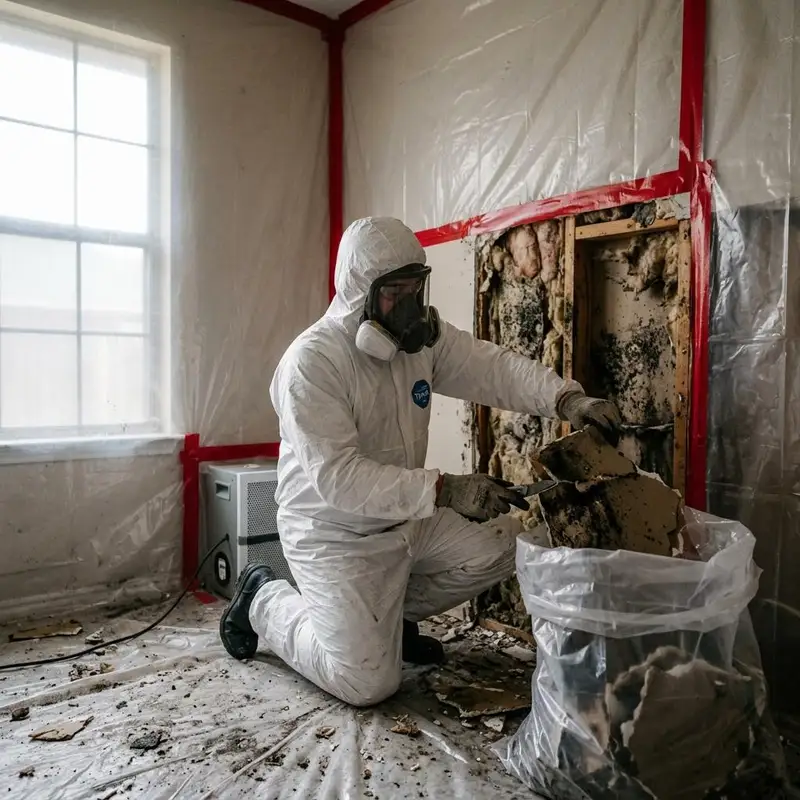
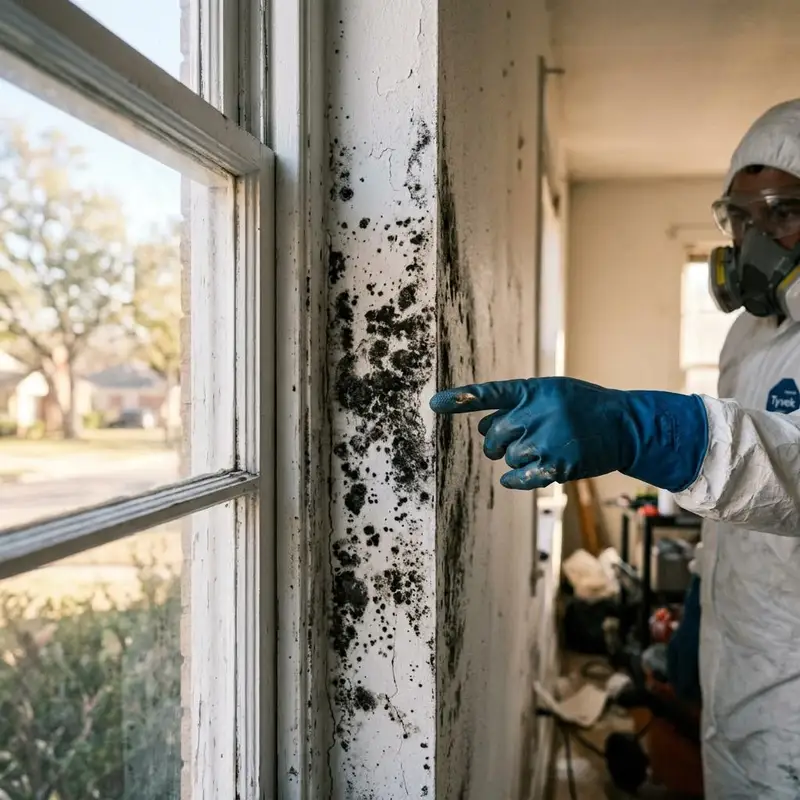
Strictly speaking, black mold refers to several species of fungi that appear dark green or black. The most notorious is Stachybotrys chartarum, which produces mycotoxins that can irritate the respiratory system. The Environmental Protection Agency has stated that any visible mold growth in a home should be addressed, regardless of the species. But black mold carries a higher risk because it thrives on materials that are constantly wet, like drywall and wood. Left unchecked, it can lead to structural damage and health issues.
Asthma and allergies are the most common health problems linked to mold exposure. Mold spores become airborne easily, and when inhaled, they trigger inflammation. For people with existing respiratory conditions, this can mean more frequent attacks or worsening symptoms. Children, elderly individuals, and anyone with a weakened immune system are especially vulnerable. Even if no one in the home has asthma or allergies, long-term exposure can cause headaches, fatigue, and sinus problems.
How Mold Gets Inside and What Feeds It
Mold needs three things to grow: moisture, food, and the right temperature. In a typical home, the food source is everywhere. Dust, paper, wood, drywall, and even soap scum provide nutrients. Temperature is rarely an issue indoors. That leaves moisture as the only factor you can control.
Leaks are the most obvious culprit. A pipe that drips behind a wall, a roof that lets water in during a storm, or a foundation crack that seeps groundwater can all create the perfect environment for mold. But moisture can also come from less obvious sources. High indoor humidity, especially above 60 percent, allows mold to grow on surfaces that are not even wet. Condensation on windows, cold pipes, or exterior walls can provide enough water for colonies to establish.
Homes in Texas face extra challenges. The hot, humid summers mean that air conditioning units run constantly, and if the condensate line clogs or the drip pan overflows, water ends up where it should not be. Flash flooding from heavy rains is also common, and many homeowners do not realize that floodwater can wick up through concrete slabs and into walls. FEMA has documented that flood-damaged homes in Texas often develop mold within 24 to 48 hours if drying does not start immediately.
Is DIY Black Mold Removal Ever Safe?
That depends on the size of the problem and your experience level. The Occupational Safety and Health Administration recommends that any mold covering more than ten square feet should be handled by a professional. For smaller patches, a careful homeowner can manage the job, but it is not as simple as spraying bleach and wiping it away.
Bleach is often the first thing people reach for, but it is not always the best choice. On non-porous surfaces like tile or glass, bleach can kill mold on contact. But on porous materials like drywall, wood, or grout, bleach does not penetrate deep enough to reach the roots. The surface may look clean, but the colony can regrow within days. In fact, bleach can actually make the problem worse on porous surfaces by providing extra moisture. A better approach for porous surfaces is a mixture of water and mild detergent, or a vinegar solution. Vinegar is a mild acid that can kill many types of mold on contact. Hydrogen peroxide is another option that works well on both porous and non-porous surfaces. Borax, a natural mineral, can be mixed with water to create a paste that scrubs away growth while inhibiting future mold.
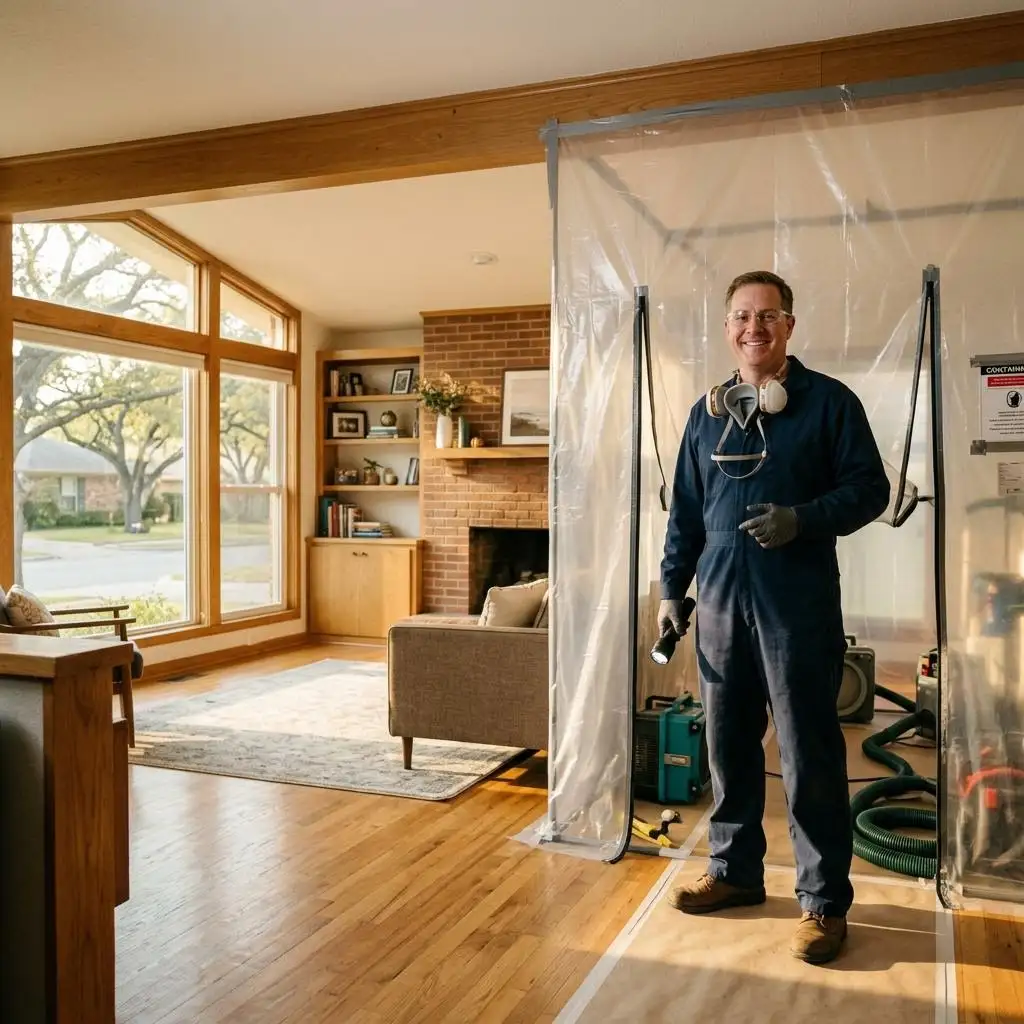
Regardless of the cleaner you choose, safety gear is non-negotiable. Wear an N95 respirator, gloves, and goggles. Mold spores are tiny and easily inhaled, and you do not want them settling in your lungs. Seal off the area with plastic sheeting to prevent spores from drifting into other rooms. Open windows and use fans to direct air outside, not further into the house.
The Right Tools and Techniques for Black Mold Removal
Effective black mold removal goes beyond scrubbing. You need to capture the spores you release, dry the area thoroughly, and address the moisture source. Here is a practical sequence that works for small to moderate infestations.
- Start by vacuuming loose mold with a HEPA vacuum. Regular vacuum filters blow spores back into the air. A HEPA vacuum traps them, reducing airborne spread.
- Wash the area with a detergent solution or a vinegar and water mix. Scrub gently to avoid damaging the surface. Rinse with clean water and dry immediately with towels.
- Apply a disinfectant like hydrogen peroxide or borax paste. Let it sit for ten to fifteen minutes, then scrub again and rinse.
- Dry the area completely using fans or a dehumidifier. Moisture left behind will invite regrowth. Keep the humidity in the room below 50 percent for several days afterward.
If the mold has penetrated deep into drywall or caused wood rot, you cannot just clean it. Porous materials that are severely damaged must be cut out and replaced. This is where many DIY attempts fail. They clean the surface, but the mold inside the wall continues to spread. A mold inspection can help determine the extent of the damage. Professionals use moisture meters, borescopes, and air sampling to find hidden colonies that the eye cannot see.
When to Call a Professional
Mold remediation is the process of removing mold safely and preventing its return. For large infestations, or for cases involving HVAC systems, it is best left to trained contractors. They have commercial-grade equipment, industrial HEPA vacuums, and containment protocols that keep spores from moving through the house. They also know how to handle situations where mold has gotten into ductwork or behind walls.
If you suspect mold in your HVAC system, do not run the unit until it has been inspected. Running the fan will blow mold spores into every room of the house. A professional can clean the coils, drain pans, and ductwork, and may recommend installing an air purifier with a HEPA filter to help keep the air clean after remediation.
Prevention: The Long Game
Once you have tackled an active mold problem, the real work begins. Keeping mold from coming back means controlling moisture throughout the home. Here are the most effective strategies I have seen in practice.
- Fix leaks immediately. A slow drip behind a wall can go unnoticed for months. Check under sinks, around toilets, and near the water heater regularly.
- Use a dehumidifier in damp spaces like basements, crawl spaces, and laundry rooms. Aim for humidity levels between 30 and 50 percent.
- Install a moisture barrier in crawl spaces and attics. A polyethelene sheet laid over dirt floors or on top of insulation can prevent ground moisture from entering the living space.
- Ensure your home has adequate ventilation. Bathrooms and kitchens should have exhaust fans that vent to the outside. If your house is sealed tight for energy efficiency, consider an energy recovery ventilator that brings in fresh air without losing conditioned air.
- Monitor your home for condensation. Insulate cold pipes and windows, and keep closet doors open to allow air circulation.
Final Thoughts on Black Mold Removal
Black mold removal is not a one-time event. It is part of an ongoing relationship with your home. The homes that stay mold-free are the ones where the owner stays aware of moisture, addresses small problems before they grow, and understands that prevention is far cheaper than remediation. If you are dealing with black mold right now, start by assessing the size of the problem. If it is small, gather the right gear and tackle it carefully. If it is large, or if you have health concerns, do not hesitate to bring in a professional. A thorough mold inspection and remediation can save you from bigger headaches down the road.